


SEO
Understand search, improve your pages and measure what changes.

How to Write an SEO Report That Explains What Changed
Learn how to write an SEO report that explains performance changes, states evidence limits, and ends with a clear next decision.

UTM Parameters: Track Campaign Links in GA4
Learn what UTM parameters mean, how to label email and social campaign links consistently, and where to check their session-level data in GA4.

Google Tag Manager: Tags, Triggers and Checks
Understand Google Tag Manager tags, triggers and variables, then check whether an enquiry event reaches GA4 correctly before publishing.

GA4 Events and Key Events: What to Track
Learn which GA4 actions deserve events, how to mark a key event, test its trigger and relate it to real business outcomes.

How to Read Organic Search Traffic in GA4
See where GA4 organic sessions came from, which pages visitors entered and what they did next—without confusing sessions with Search Console clicks.

Clicks, Impressions, CTR and Average Position Explained
Read Search Console clicks, impressions, CTR and average position together without treating a falling ratio or changing average as a verdict.

Google Search Console: Reading Search Performance
Learn how to read Search Console Pages, Queries and Dates, compare like with like, and turn search-performance changes into the next useful check.

SEO Metrics: What to Track and What Each Number Means
Understand impressions, clicks, CTR, average position, organic sessions, key events and qualified outcomes without confusing one measure for another.
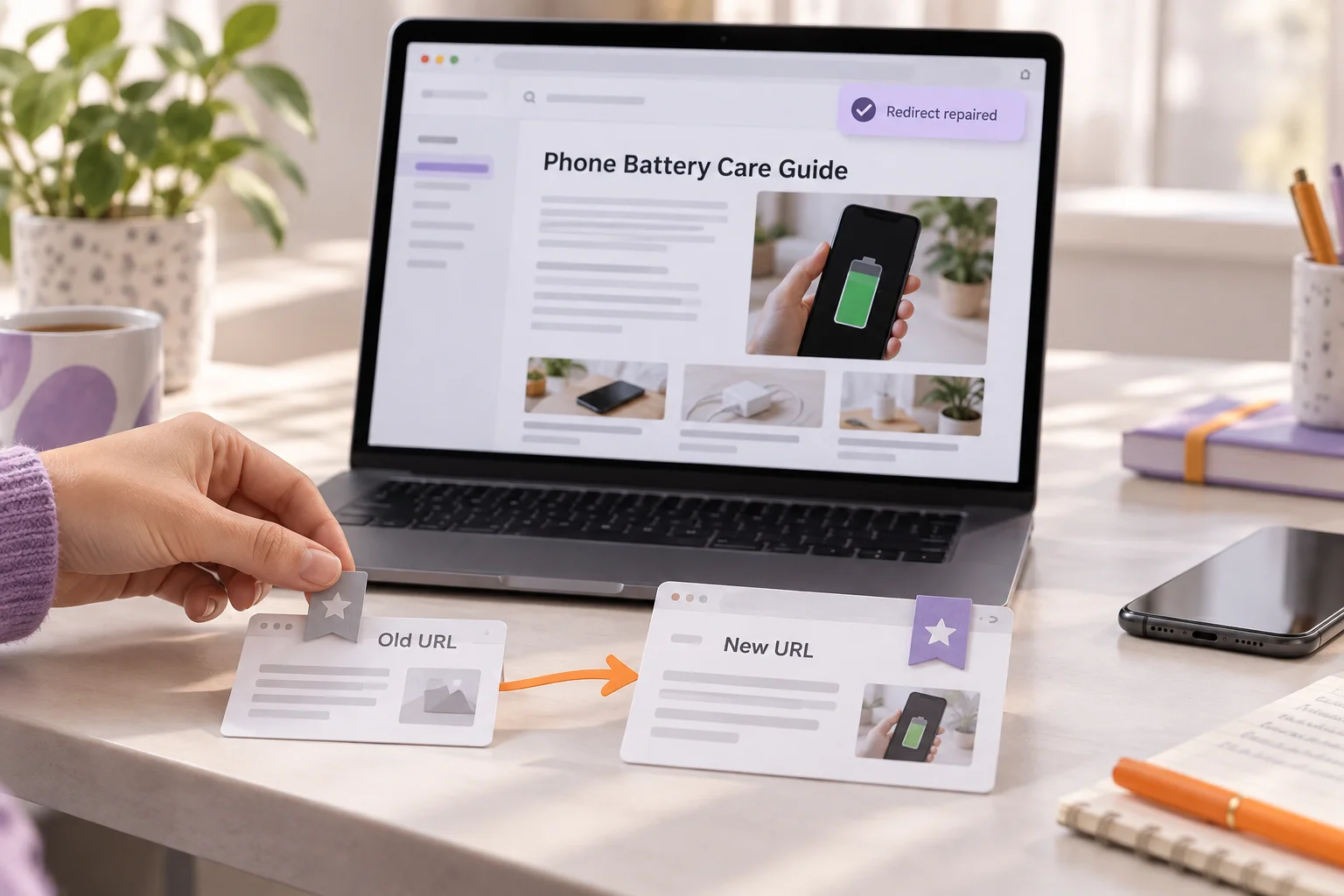
Link Reclamation: Broken Backlinks and Unlinked Mentions
Find broken backlinks to your own pages, check unlinked brand mentions, repair useful destinations and decide when a publisher update helps readers.

Nofollow, Sponsored and UGC Links Explained
Learn what nofollow, sponsored and UGC mean, when a publisher should use each link attribute, and why the labels are not backlink quality scores.

Multi-Location SEO: Keep Branch Details Connected
Help customers reach the right branch by keeping real locations, Business Profiles, website pages and contact paths aligned.

Local Keyword Research: Find Terms Your Customers Use
Find local service searches, distinguish named places from implicit nearby intent, and group related terms into useful pages.

The Skyscraper Technique: A Practical Link-Building Guide
Learn the three-step Skyscraper Technique: find a cited resource, make a genuinely better answer and approach relevant publishers without promising links.

Small Business SEO: A Practical Guide to Getting Found
Learn how a small business can make core pages useful, qualify for local search, earn relevant mentions and measure customer enquiries.

SEO Tips: 10 Changes Worth Testing on an Existing Site
Ten practical SEO tips for an existing website, with examples of when to use each change and how to check the result.

SEO Tutorial: Improve One Page from Start to Finish
Follow one existing page through customer research, content improvement, search access, promotion and measurement without chasing a checklist blindly.

SEO Basics for Beginners: Four Questions to Ask First
Use four questions—access, relevance, answer and trust—to understand SEO fundamentals and choose the first useful improvement to a page.

SEO for a New Website: What to Do Before and After Launch
Plan the core pages, prepare search access, verify the live site and use the first Search Console evidence without expecting instant rankings.

Website Migration Checklist: Before, During and After Launch
A practical website migration checklist for preserving useful pages and customer journeys across a platform, domain, URL or hosting change.

How to Improve SEO on a Site That Is Already Live
Diagnose a live page's search performance before changing it. Separate indexing, relevance, result presentation and the path to a useful business action.

SEO Checklist for a Small Business Website
A practical sitewide SEO checklist for discovery, search intent, page clarity, mobile experience and measurement, with checks you can repeat after publishing.

Link Building Services: How to Choose One
Learn when to hire a link-building provider, which services to consider, what to ask before signing, and how to spot risky link offers.

Broken Link Building: Find a Useful Replacement
Learn to verify a broken external link, match the original reader need, and suggest a useful replacement without promising backlinks or rankings.

Search Engine Ranking Factors: What Google Actually Says
A clear guide to Google's published ranking systems, the difference between indexing and ranking, and which page improvements are worth prioritizing.

SEO Competitor Analysis: Find the Right Rivals and Useful Gaps
Learn to identify actual search rivals, compare comparable pages, and turn content, link and technical observations into one useful SEO decision.

How to Increase Website Authority Without Chasing a Score
Understand what website authority means, why DA and DR are tool metrics, and how to improve useful pages, internal links and genuine references.

Best SEO Courses in 2026: 5 Options by Learning Goal
Compare five current SEO courses by learning goal, cost and certificate conditions, then turn one lesson into a practical page improvement.

How to Rank Higher on Google: A Page-by-Page Guide
Diagnose one page and search query, check indexing and intent, improve the useful answer, and measure Google Search changes without ranking promises.

How to Earn High-Quality Backlinks
Learn four practical ways to earn relevant editorial backlinks, from useful resources and source requests to outdated references and focused contributions.

Link Building: A Guide to Relevance and Trust
Learn what link building does, how to judge a relevant citation, where opportunities come from, and how to avoid link spam and measure results.

WordPress SEO Settings That Need Checking
Check the WordPress settings and live page signals that affect search visibility: indexing, permalinks, canonicals, sitemaps, titles and links.

Redirects and Status Codes for SEO: 301, 302, 404 and 410
Learn when to redirect a moved page, when to keep a temporary URL, and when a missing page should return 404 or 410.

XML Sitemaps: What to Include and How to Check Them
Learn what an XML sitemap does, which preferred pages belong in it, and how to check the file and Search Console results after publishing.

Indexing and Noindex: Which Pages Belong in Search?
Learn what indexing and noindex mean, which pages should appear in Google Search, and how to diagnose one URL that is not indexed.

Robots.txt: What It Controls and What It Does Not
Learn what robots.txt controls, how to read a simple rule, why it cannot hide pages or private data, and how to check a change safely.

On-Page SEO Checklist: Review One Page Before Publishing
A practical pre-publish checklist for one webpage: check its answer, title, headings, links, images, mobile view and live indexing access.

Keyword Cannibalization: When Pages Compete
Learn when overlapping pages are a real SEO problem, how to compare search intent and performance, and when to keep, differentiate or merge URLs.

SEO-Friendly URLs: Make Page Addresses Clear and Stable
Learn how to name a new page URL, when to keep an existing address, and what to check if a page must move.

Keyword Prioritization: What Should You Work on First?
Learn how to choose which keyword groups and pages to work on first by weighing fit, page readiness, evidence, effort, and timing.
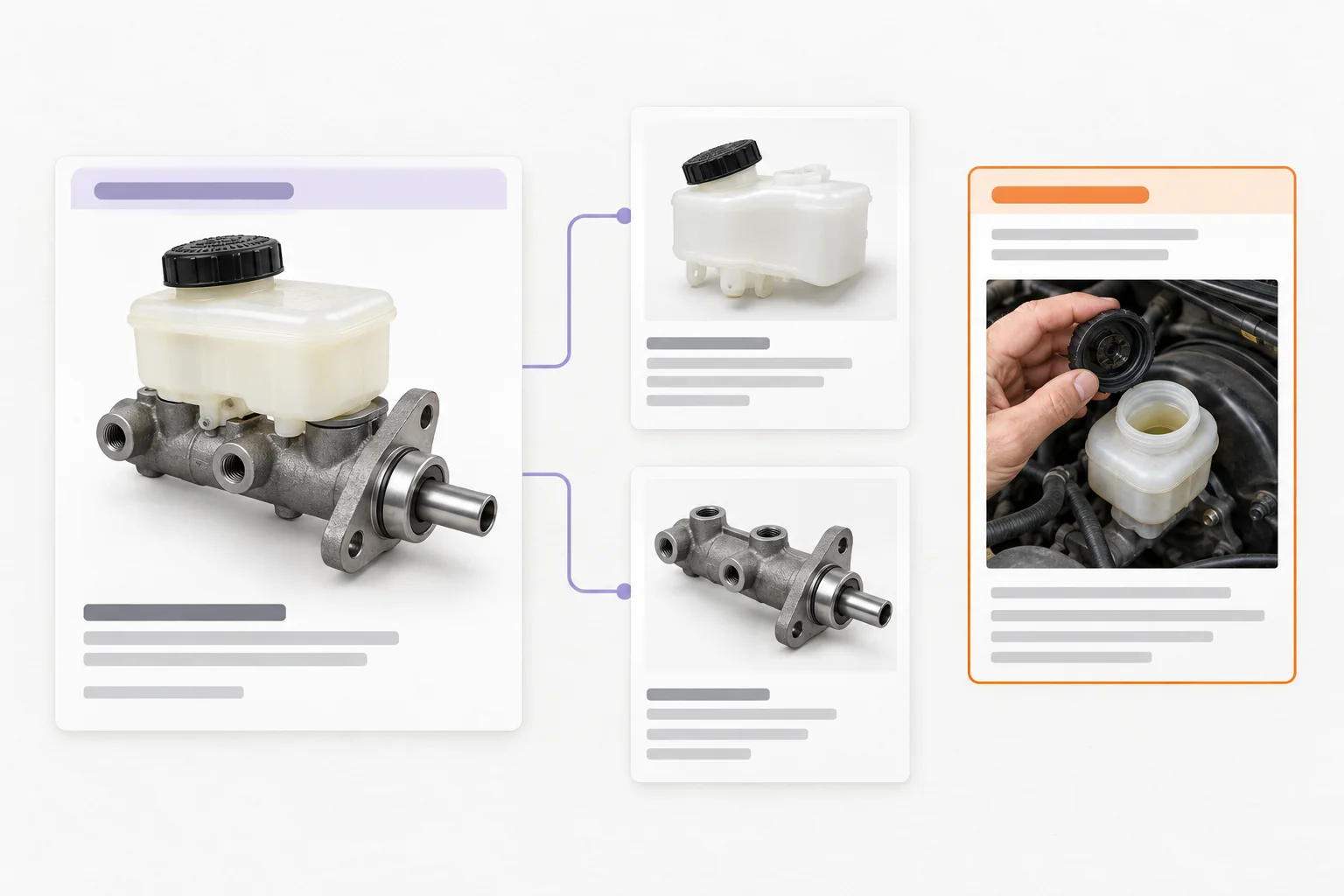
Keyword Mapping: Which Searches Need Their Own Page?
Learn when similar searches can share one page, when they need separate pages, and how to assign each useful keyword group to an owner URL.

Competitor Keyword Gaps: Which Topics Are Worth Covering?
Compare competitor keyword gaps without copying their content plan. Find candidate topics, check business fit and decide what to improve, create or ignore.
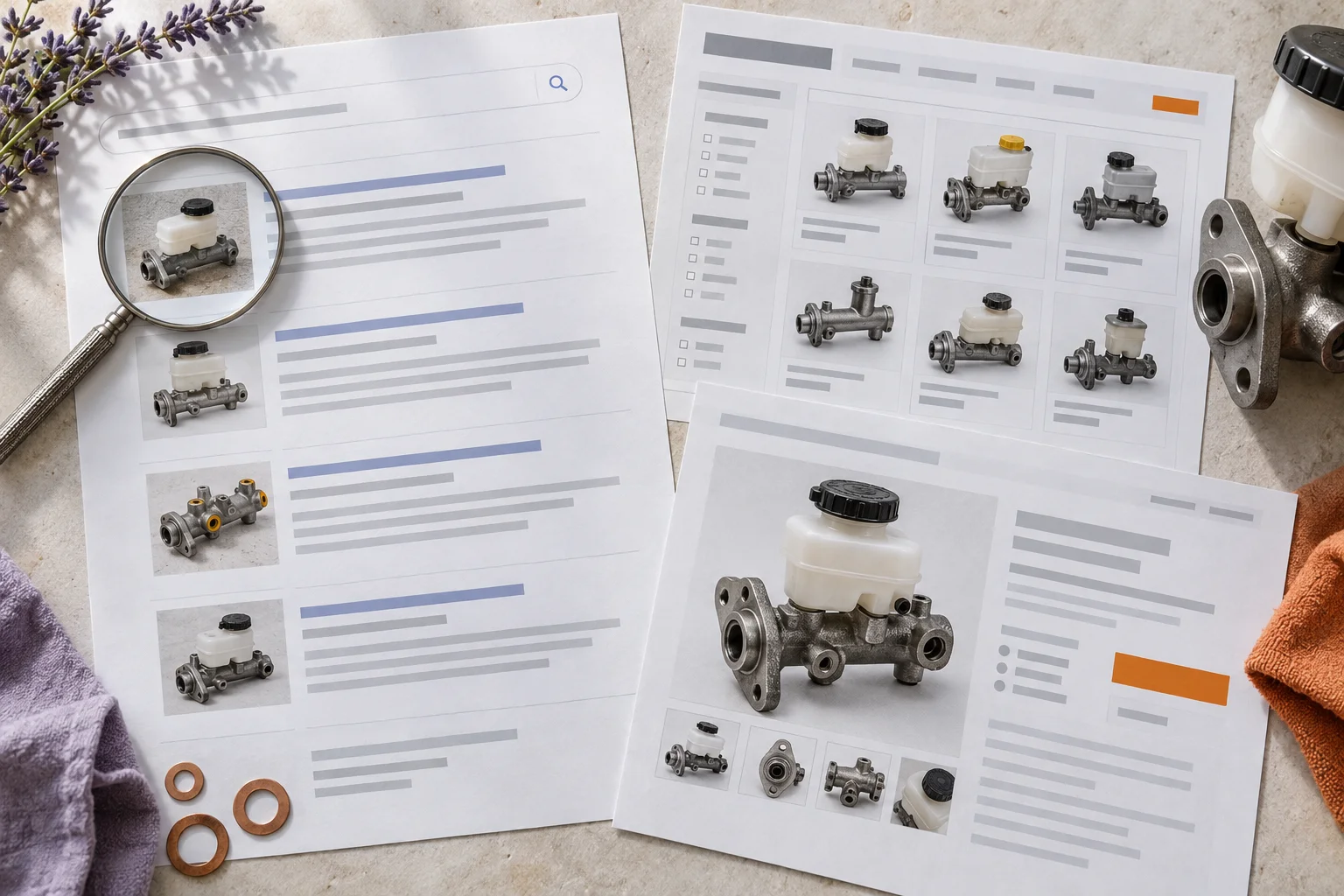
How to Analyze Search Results Before Choosing a Topic
Learn to inspect search result types, content angles and useful evidence before deciding whether to improve, create or defer a page.

Search Volume and Keyword Difficulty: What the Numbers Mean
Understand search volume, keyword difficulty, Google Trends and Search Console, then use the numbers to make a practical page decision.

Long-Tail Keywords: Find Specific Searches Worth Answering
Learn what long-tail keywords are, why word count is misleading, and how to decide whether a specific search needs a page, a section, or no new content.

Small Business SEO Priorities: What to Do First
Choose the next SEO task when time is limited: fix customer-path blockers, improve core pages, check local eligibility, and defer low-value content.

How to Audit a Small Website for SEO
Audit a small website by checking important pages, search access, customer tasks, and evidence. Turn findings into a short, prioritized fix list.

How to Build an SEO Strategy Around Business Goals
Build an SEO strategy from a business outcome: choose search tasks and pages, prioritize work, assign owners, and measure useful results.

On-Page, Technical & Off-Page SEO: How to Choose What to Fix
Compare on-page, technical, and off-page SEO through one service page, then diagnose which work to prioritize and what to measure.

SEO vs. Paid Search: Differences, Costs, and When to Use Each
Understand how organic SEO and paid search differ in placement, cost, timing, and measurement, then choose the channel that fits your goal.

Search Results Pages Explained: Organic Results, Ads, and SERP Features
Learn to read a search results page, distinguish organic listings from ads and other SERP features, and use those clues to plan a useful page.

What Is Keyword Research? How to Find and Choose Keywords
Learn what keyword research is, where to find search terms, how to judge their value, and how to turn related searches into useful pages.

What Is Search Intent? 4 Types and How to Identify Them
Learn what search intent means, the four common types, how to read search results, and how to choose a page that answers the right task.

How Do Search Engines Work? Crawling, Indexing & Ranking
Learn how Google discovers, indexes, and ranks pages, why an indexed page may get no traffic, and how to check each stage in Search Console.

What Is SEO? A Complete Beginner’s Guide
Understand what SEO is, why it matters, how search engines work, and how on-page, technical, and off-page SEO fit together.

How Google Ranking Evolved: PageRank, Language and AI
Understand how PageRank, language systems and AI search fit together, then investigate ranking changes through page and search evidence.

Google Florida Update (2003): Evidence and Unproven Theories
Understand the November 2003 ranking disruption, distinguish contemporary observations from algorithm theories and apply the lessons to diagnosis today.

Google October 2023 Spam Update: Scope, Evidence and Next Steps
Understand the October 2023 spam update, its broader language coverage and how to distinguish automated spam changes from manual actions or a security incident.

Google March 2024 Core Update: What Changed and How to Investigate a Loss
Review the March 2024 core rollout, distinguish it from spam changes, and investigate affected pages with evidence rather than recovery shortcuts.

Google Penguin: Link Spam and a Proportionate Backlink Review
Learn what Penguin changed in 2012 and 2016, how to assess a link relationship, and when removal, qualification or Disavow may be appropriate.

Google Helpful Content: What Changed When It Joined Core Systems
The standalone Helpful Content system evolved into Google’s core systems in March 2024. Understand what changed and what a traffic chart cannot tell you.

Content Gap Analysis: Find the Answers Your Site Is Missing
Find content gaps through customer questions, existing pages and search evidence, then decide what to improve, create, connect or consolidate.

What Is E-E-A-T? A Practical Guide to Helpful Content
Understand E-E-A-T, why trust matters, how it relates to helpful content, and how to check the evidence behind one page.

Google Hummingbird: Search Meaning Beyond Exact Keywords
Understand Google’s 2013 Hummingbird change, why whole-query meaning matters, and how to group related searches without forcing every phrase onto a page.

Scaled Content Abuse: When More Pages Add No Value
Understand Google’s scaled content abuse policy and assess AI-assisted, programmatic or translated pages by purpose, source quality and reader value.

Google Pigeon: What Changed in Local Search
Understand the confirmed 2014 local-search change, the limits of the Pigeon nickname and what accurate local business information means today.

Expired Domain Abuse: What Google’s Policy Actually Covers
Distinguish legitimate domain reuse from low-value publishing that exploits an expired name’s past reputation, and assess old URLs before redirecting.

Google Mobile-Friendly Update: What Changed and What to Check Now
Separate the 2015 mobile-friendly ranking update from mobile-first indexing and test the content, navigation, forms and performance of a mobile page today.

Google Site Reputation Policy: Third-Party Content in 2026
Understand Google’s current site reputation policy, meaningful editorial integration and the different enforcement effects for searchers inside and outside the EEA.

Google RankBrain: How Words Connect to Concepts
Understand RankBrain’s role in Google Search, how it differs from BERT and neural matching, and how to plan pages around a real task rather than repeated wording.

Google Vince: Did the 2009 Change Favour Big Brands?
Understand the evidence behind the 2009 Vince change, why brand visibility did not reveal a company-size rule and what a smaller specialist can improve.

Google Caffeine: Why Continuous Indexing Mattered
Learn what Google Caffeine changed in 2010, what “50% fresher” meant and why indexing speed is different from ranking or guaranteed inclusion.

Google Freshness Update: When Newer Content Actually Matters
Learn why some searches need recent information while others do not, what Google’s 2011 Freshness Update changed, and when a real content update is worthwhile.

Exact-Match Domains: What Google’s EMD System Does
Understand Google’s exact-match domain system, the limits of keywords in a domain and when changing an established address creates unnecessary work.

Google Payday Loan Update: What the Spam-Query Changes Targeted
Understand the 2013–2014 Payday Loan updates, why the name did not ban an industry, and how to investigate a modern spam problem using current evidence.
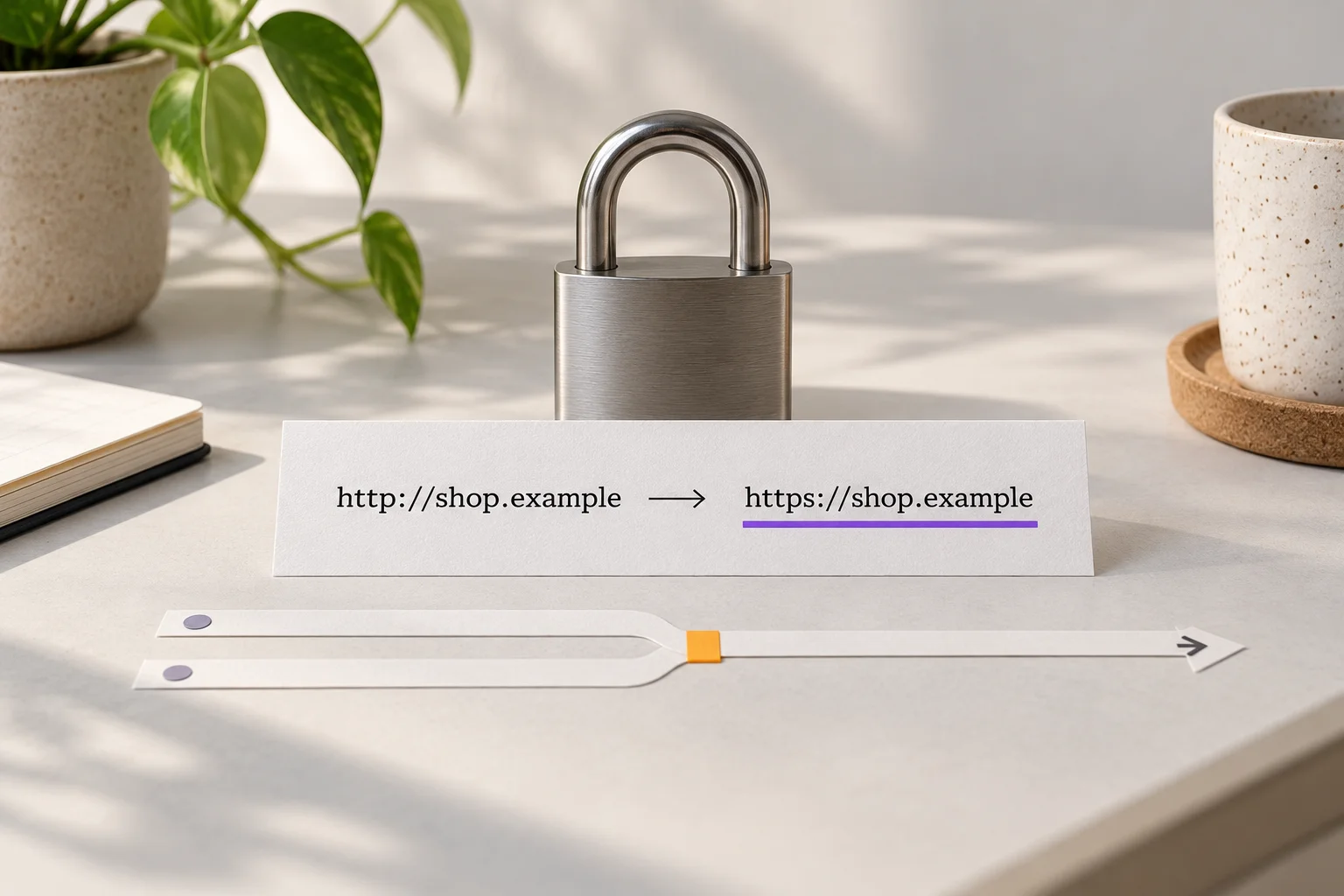
HTTPS and SEO: What the Signal Means and How to Migrate Safely
Understand Google’s HTTPS ranking signal and plan a protocol migration with valid certificates, equivalent redirects, consistent URLs and working customer journeys.

Google Reviews for Business: Ask, Reply and Improve
A practical guide to requesting genuine Google reviews fairly, replying to customers, handling policy issues and learning from recurring feedback.

How to Measure Local SEO: From Visibility to Enquiries
Learn what Business Profile, Search Console and website analytics can show, then connect local visibility to useful customer enquiries.

How to Set Up a Google Business Profile: The Essentials
Learn who qualifies for a Google Business Profile and how to set up its ownership, category, location, verification, customer details and maintenance.

Local Citations: Keep Business Details Accurate
Learn what local citations are, fix wrong names, addresses and phone numbers, and maintain accurate listings without chasing directory counts.

Local Landing Pages: When Does a Place Need Its Own Page?
Decide when a real branch or service area needs its own page, what local customers need to know, and how to avoid repetitive city pages.

Google Possum: Local Filtering Is Not the Same as Suspension
Understand the 2016 Possum observations and use a repeatable local-search check to distinguish result selection from profile or eligibility problems.

Google Fred Update: What the Evidence Says About Content and Ads
Fred was an industry nickname for ranking changes observed in March 2017. Separate the evidence from ad-count myths and review a monetized page’s usefulness.
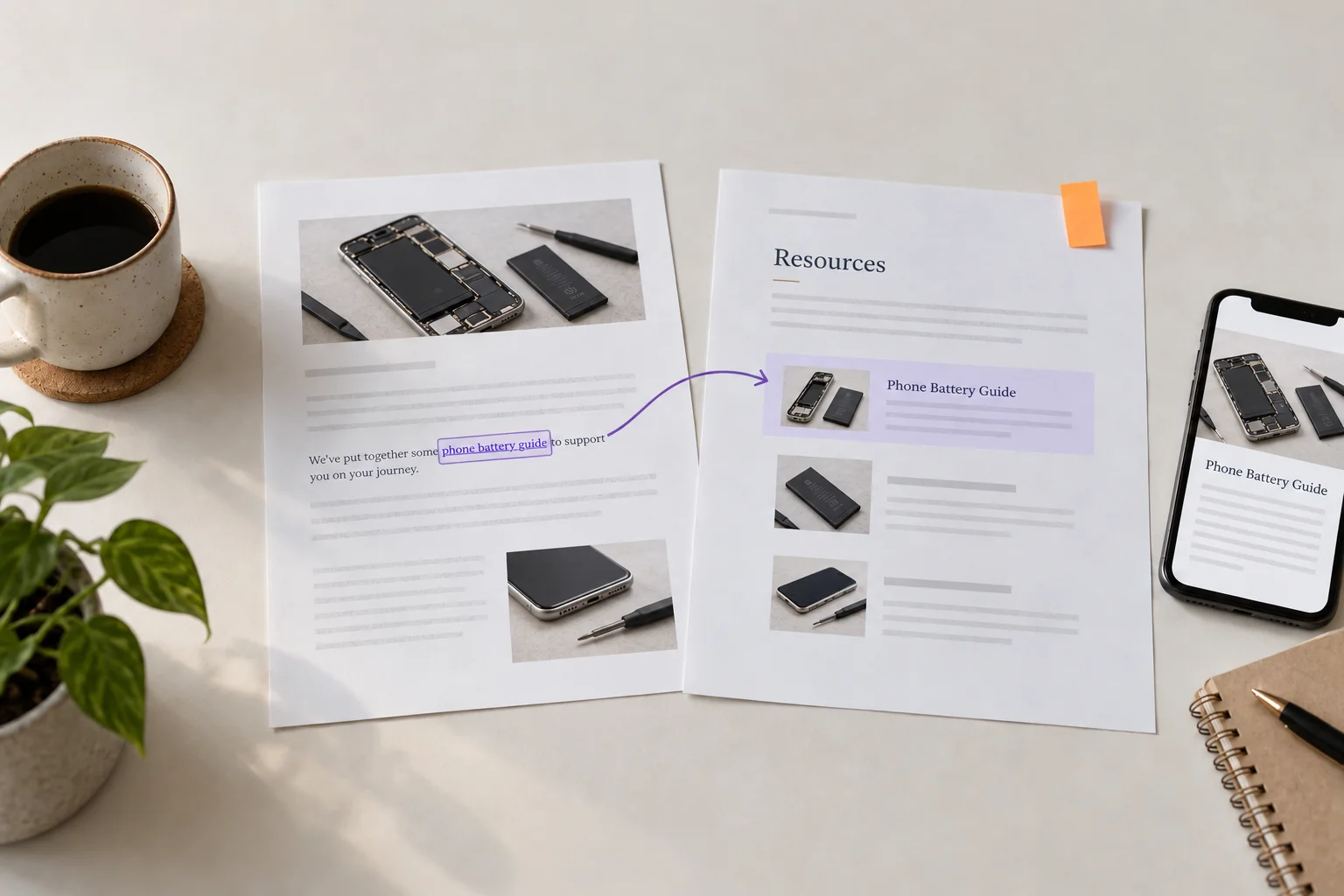
Anchor Text for SEO: Write Clear, Natural Links
Write descriptive anchor text, match links to useful destinations, check text and image links, and review backlink patterns without invented ratios.

Backlink Audit: How to Review Links and Decide What to Fix
A practical backlink audit: collect source pages, inspect context, recover useful links and separate real link-spam risk from tool warnings.

Backlinks, Referring Domains and Link Context
Understand why backlink and referring-domain counts differ, what the source-page context means, and how to verify links in Search Console.

Digital PR and SEO: How Earned Coverage Helps
Understand how digital PR earns relevant coverage, why links and mentions are different, and how a small business can pitch a verifiable story.

Google Disavow Tool: When to Use It and When to Leave It Alone
Understand the narrow reasons for disavowing backlinks, how the file works and why a toxicity score or ranking decline is not enough.

How to Evaluate Backlink Quality (Beyond DA and DR)
Learn how to judge a backlink by its source page, reader purpose, placement, destination and relationship instead of relying on one tool score.

Link Building Strategies: Choose the Right Route
Choose a link-building approach that fits your real assets, audience and relationships, then test a small campaign without buying ranking promises.

Google Medic Update: The August 2018 Broad Core Change Explained
Medic was an industry nickname, not a medical-only Google system. Understand the August 2018 evidence, the limits of YMYL theories and useful content checks.

Google Neural Matching: How Queries Connect to Concepts
Learn how Google’s neural matching helps retrieve pages through concept understanding, why retrieval differs from ranking and what useful content work follows.

How to Use H1, H2, and H3 Headings
Learn how H1, H2, and H3 organize a page, why heading order matters to readers, and how to check the rendered outline without relying on ranking myths.

How to Write Meta Descriptions for SEO
Learn what a meta description does, how to write an accurate page summary, why Google may show different snippet text, and how to check descriptions across a site.

Image SEO: Alt Text, Context and File Choices
Learn how to choose helpful images, write alt text by purpose, make files discoverable, and serve a suitable size on each screen.

Title Tags for SEO: How to Write a Clear Page Title
Learn what the HTML title does, how to write a distinct page title, why Google may show a different title link, and how to check titles across a site.

Google Site Diversity: Why Two Results Is Not a Hard Limit
Understand Google’s site diversity system, its same-site and subdomain exceptions, and how to investigate missing listings without merging useful pages blindly.

Google BERT: How Context Changed Search
Understand what Google BERT does, what its 2019 launch changed and how to write clear answers without chasing a fictional BERT score.

Core Web Vitals and Page Speed: What to Check First
Understand LCP, INP and CLS, read real-user versus lab data, and choose a sensible order for checking page experience.

JavaScript SEO: Understanding Rendering and Access
Learn how Google processes JavaScript pages and check whether important content, links and index signals survive rendering.

Structured Data for SEO: What It Does and How to Check It
Understand what structured data describes, choose markup that fits the page, and check live results with Google tools.
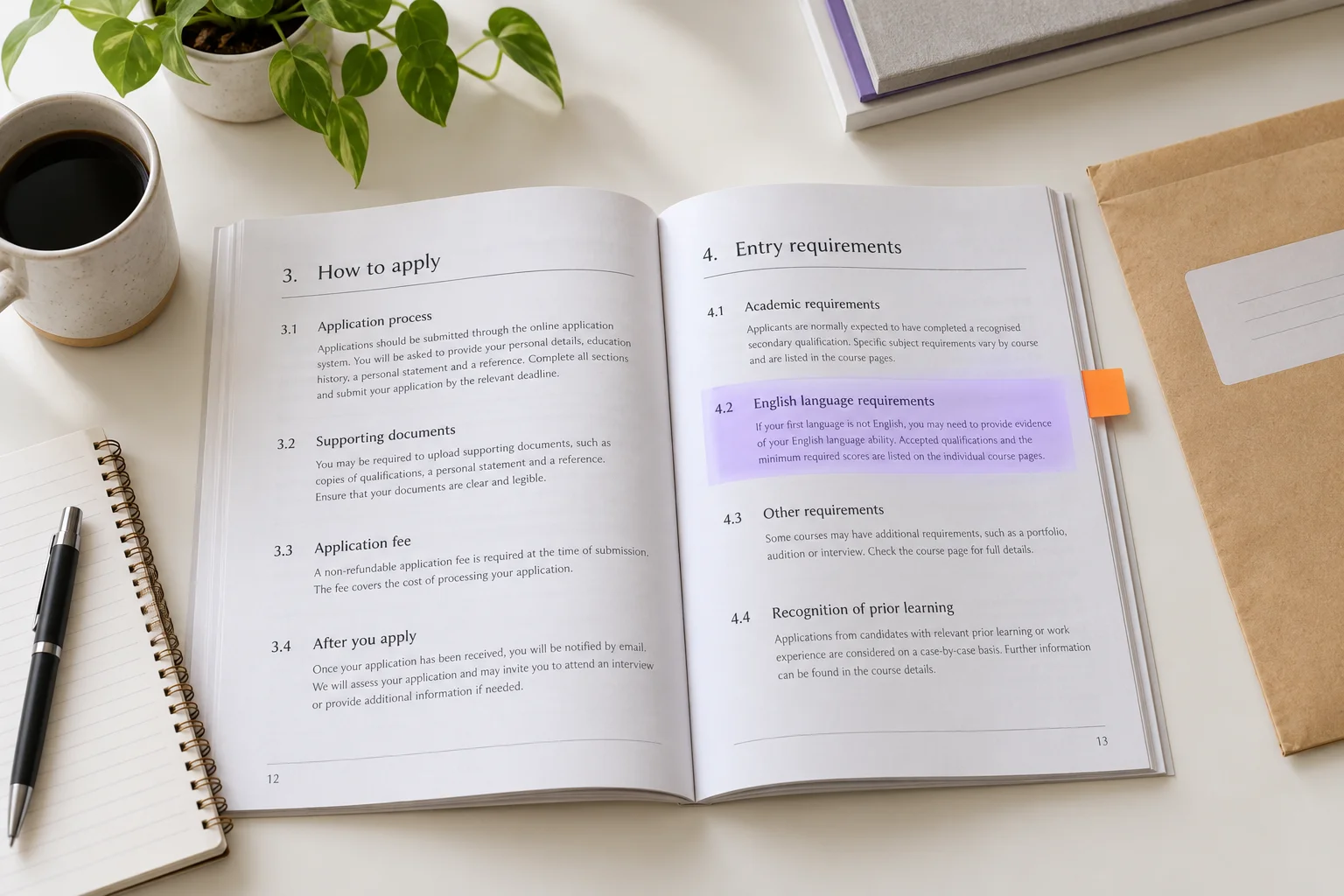
Google Passage Ranking: How Google Understands Sections of a Page
Understand passage ranking, why Google still ranks the containing page, and how to write useful sections without splitting every answer into a new URL.
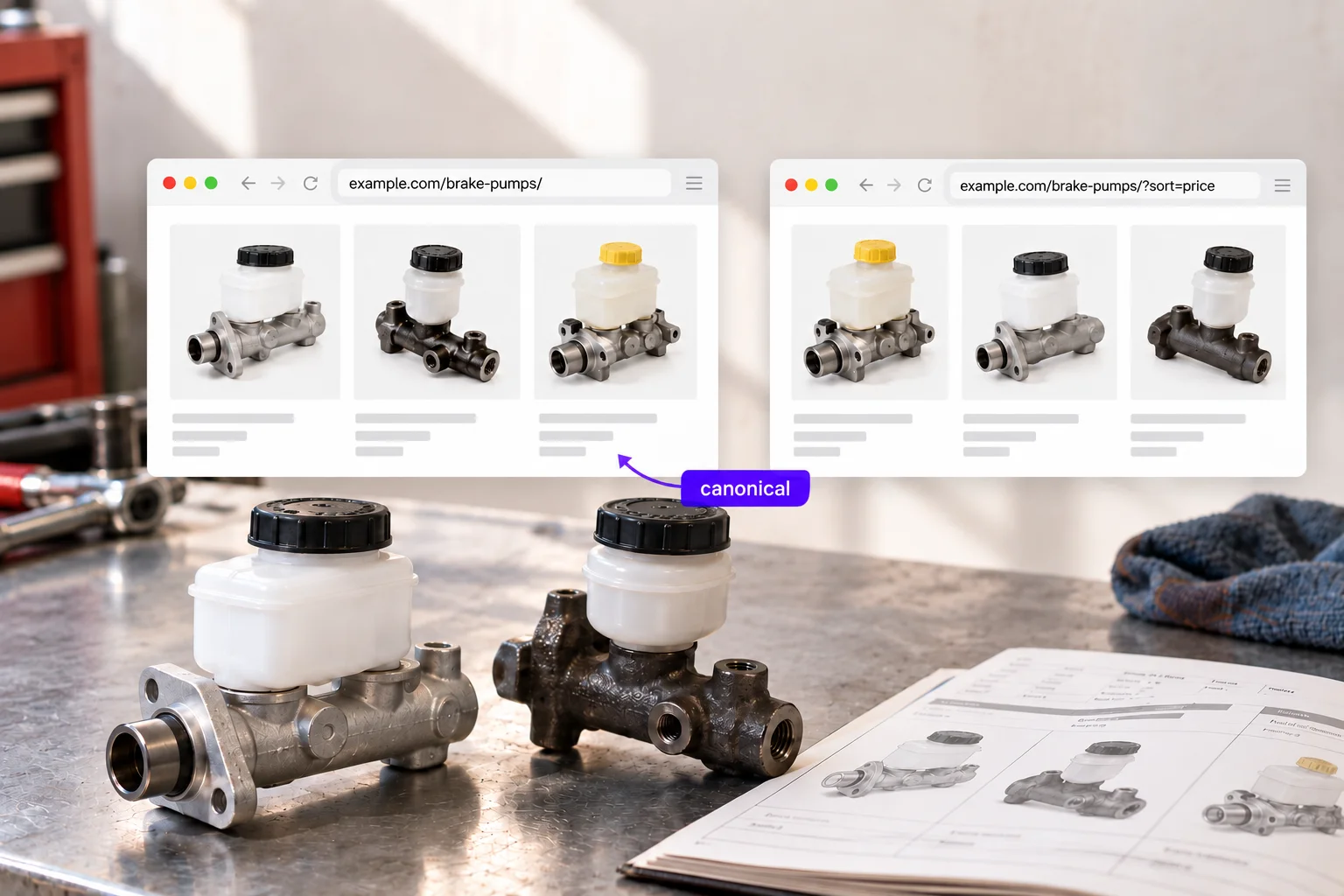
Canonical URLs: Choose the Right Page for Search
Understand how canonical URLs work, when similar pages should share a representative, and how to check the version Google selected.

Crawling and Indexing: Diagnose Why a Page Is Missing
Diagnose a missing page through discovery, fetching, rendering, index controls and canonical evidence, without confusing a live test with indexing.

XML Sitemaps and robots.txt: Build, Audit and Troubleshoot Them
Coordinate sitemap discovery, crawl rules and index decisions with a worked URL plan, small file examples and checks after publishing.

Google Reviews System: What Useful Reviews Need to Show
Understand the scope of Google’s Reviews System and plan product or service reviews with honest evidence, comparable criteria and a useful recommendation.

People-First Content: How to Review a Page for Real Usefulness
Review a phone-repair page for task completion, evidence and clarity. Learn what Google’s helpful-content guidance means without chasing a score or word count.

Local SEO in Malaysia: A Practical Guide
Learn local SEO in Malaysia: set up an eligible Google Business Profile, create useful local pages, earn genuine reviews, and measure enquiries.

SEO Audit Workflow: Find, Prioritize and Verify Fixes
Follow an SEO audit from the first symptom to evidence, a prioritized fix and live verification, using a phone-repair website example.

SEO Measurement: From Visibility to Useful Actions
Learn how to measure SEO from relevant search visibility to site actions and qualified enquiries, without confusing clicks, sessions and sales.

Google SpamBrain: What It Does and What a Traffic Drop Cannot Prove
Understand Google’s SpamBrain system, link neutralization and the difference between automated spam assessment, manual actions and security issues.

Internal Linking for SEO: Help Readers Find the Next Page
Learn which pages to connect with internal links, how to write clear anchor text, and how to check one page without adding links for their own sake.

Website Architecture for SEO: Build Clear Paths
Learn how to group pages, connect important content, and check a website structure that works for visitors and search engines.

Google Algorithm Updates: Major Milestones and Timeline
Explore Google Search milestones and 40 named dashboard updates through September 2026, with clear distinctions between systems, policies and incidents.

Keyword Research for SEO: Build a Decision-Ready URL Map
Turn customer language, search evidence and qualified estimates into a keyword-to-URL map with clear page roles, priorities and next actions.

Search Intent for SEO: Choose the Right Page for the Task
Analyse the search results, map customer tasks to suitable pages and use Search Console to investigate an intent mismatch without assuming every query needs a new URL.

How to Build and Test a 301 Redirect Map
Build a redirect map that keeps useful URLs, selects relevant replacements and tests status codes, final pages, language routes and customer journeys.

Multilingual SEO and Hreflang: A Practical Beginner Guide
Learn how separate language pages, hreflang, canonicals and a visible language switcher work together, with an English–Malay–Chinese example.

SEO Malaysia: A Practical Plan for Your Business
Plan SEO around your Malaysian customers, real service area, useful pages and supported languages, then verify search access and enquiries.

What Is Technical SEO? A Beginner Guide
Learn what technical SEO covers and how to check crawl access, indexing, internal links, sitemaps, and duplicate URLs before changing page content.

What Is Off-Page SEO? A Beginner Guide to Building Authority
Understand backlinks, relevant references and local reputation, then choose credible off-site work without treating every mention as a ranking signal.

What Is On-Page SEO? How to Improve a Webpage
Understand on-page SEO, match one page to a search need, and improve its content, titles, headings, links, and images without keyword stuffing.

Black Hat SEO: Tactics, Risks and Safer Alternatives
Recognize manipulative SEO practices, distinguish manual actions from traffic declines, and review page and link proposals without relying on labels.