

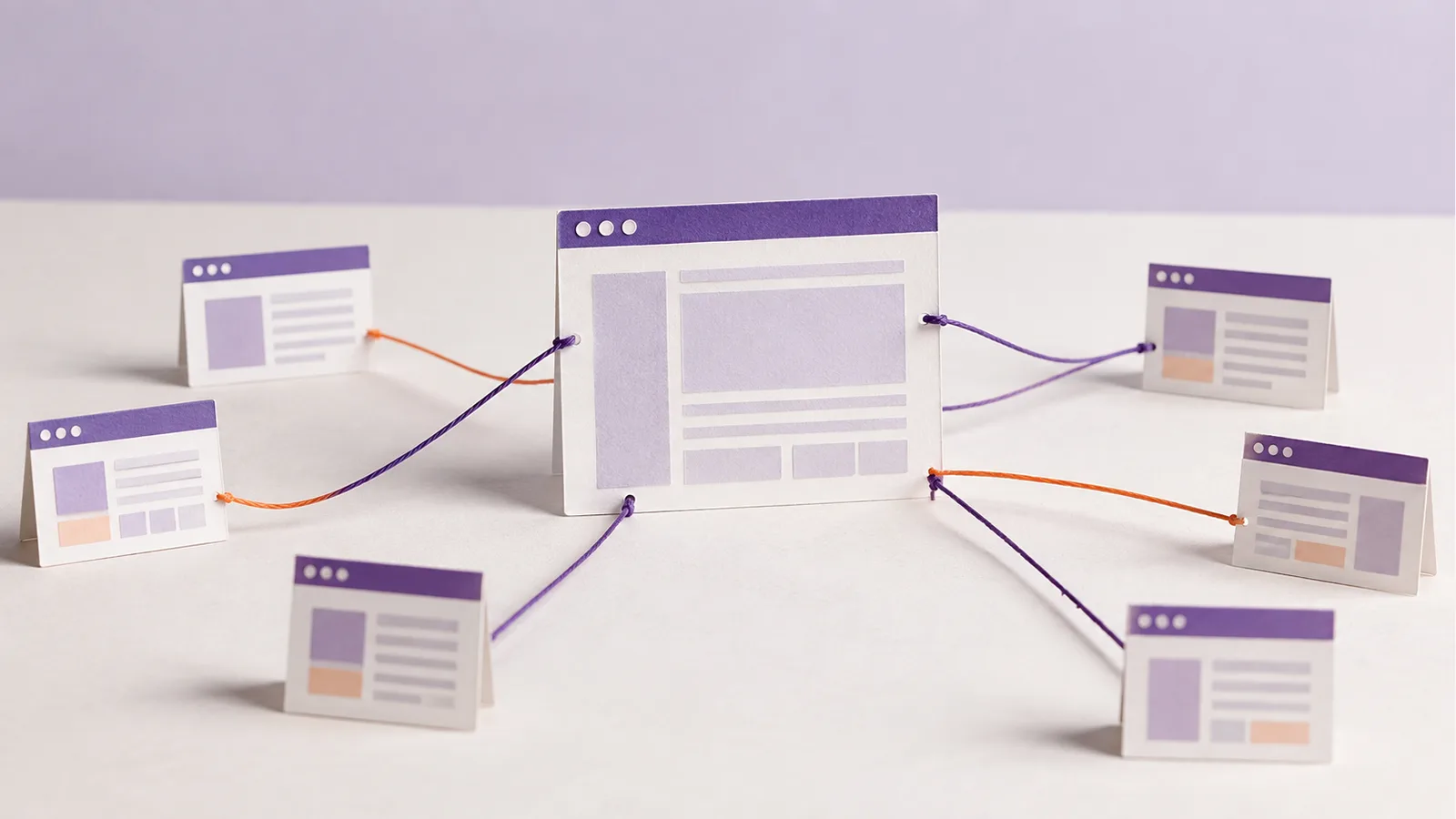
Imagine a Malaysian home-maintenance publisher writing about air-conditioner care. An aircon repair company has a guide to the unit types it services, the checks it performs, and when a technician is needed. If that guide answers a question the publisher's readers have, a link to it has a reason to exist.
That is the starting point for earning high-quality backlinks: give another page's readers a useful next step and let its editor decide whether your page belongs there. Aim for relevant references, not a large count in a backlink report.
What Makes a Backlink High Quality?
A backlink is a link from another website to yours. For a beginner explanation, see what counts as a backlink. Quality depends on the source page, the audience, the surrounding explanation, the destination, and why the link was placed. A specialist site with a small but relevant readership may be a better source than an unrelated page on a famous domain.
Ask whether a reader would still benefit from the reference if search rankings did not exist. Does the destination answer the promise made by the linking sentence? Could the publisher choose, edit, or decline the link? A third-party domain score may help sort candidates, but it is not Google's quality verdict. For a detailed page-level check, use the backlink quality guide.
Prepare One Page Worth Citing
Start with a question a generic page cannot answer well. The aircon company could document which unit types it actually inspects, what a routine visit includes, and which warning signs need diagnosis. Use its verified process and images if available. Do not invent results or present general advice as manufacturer instructions.
Give the resource a stable URL, clear title, an owner who can update it, and a path to relevant service details. A shoe shop could build a size-and-fit guide from products it truly stocks, with its actual exchange terms. Build the asset before pitching it.
1. Answer a Real Source Request
Journalists, trade writers, and specialist publishers sometimes ask for an explanation, data, or a practitioner who can clarify a point. Reply only when the business can answer from real expertise. For the aircon company, that could be a question about what homeowners should check before arranging a repair. Give a short, precise answer with its limits and say where the supporting details live.
Do not send the same generic, unverifiable quote to every request. A publisher may use the answer without linking, attribute it differently, or not use it at all. Record a published mention and a live backlink separately.
2. Publish Material Others Need to Reference
A citable resource can be a documented checklist, a compatibility table, an original dataset with its method, or a tool for a recurring task. Choose one the team can keep accurate. A digital studio might publish a plain-language checklist of what a small business should prepare before a booking-site build. A publisher can then judge whether it helps readers.
Make the evidence easy to inspect. If figures come from your own work, explain the sample and what they do not represent. If a table depends on changing product stock or service coverage, show when it was last checked. Avoid repackaging another site's research as your own “original data.”
3. Help a Publisher Fix an Outdated Reference
Look for a relevant article that points to a broken or outdated source. Open both the publisher's page and your proposed replacement. Does your page genuinely cover the missing information at least as clearly? If it only partly matches, do not pitch it as a direct replacement.
A polite note can identify the outdated passage, explain the issue, and offer the current resource as one option. The editor might repair the old link, choose another source, or leave the page unchanged. This is useful maintenance, not a right to inherit someone else's backlink.
For the step-by-step check and suggested message, see the broken link building guide.
4. Contribute a Relevant Explanation
A trade publication, local association, or partner may need a focused explanation from a practitioner. Offer a subject that fits its audience, not a prewritten advertisement with a demanded keyword anchor. A clothing alteration service could explain what affects turnaround time for different garments, using its real process and limits.
Guest contributions made mainly to place optimized links at scale can fall into Google's link-spam examples. A real editorial contribution should remain useful even if the editor removes the link. For campaign planning across several routes, see the link-building strategies guide.
How Do You Make a Specific, Respectful Request?
Find an exact page whose readers could use your resource. Read the surrounding passage and explain the missing answer. For example: “Your guide mentions checking whether an aircon unit needs servicing. We have documented which unit types our team handles and which warning signs need a technician. This page may help readers make that distinction.” Include the resource URL and let the editor make the decision.
One relevant note beats copied messages. Do not demand an exact anchor text or an unqualified link. If the resource is not genuinely useful, improve it before sending more email.
How Do You Judge the Result?
Keep a short record of the source URL, the destination, the sentence around the link, the relationship, and the date you checked it. Open the live page; a screenshot or outreach promise is not proof of a lasting link. Then separate placements from referral visits, enquiries, and any later search changes. A link can help readers even when it sends few visits, but do not assign a ranking change to that one link without stronger evidence.
If a publisher declines, check whether the page needs clearer evidence or whether its audience was a poor match before choosing another prospect.
Backlinks are only one part of the picture. The website authority guide explains how to assess page usefulness, internal paths and real outcomes together.
What Should You Avoid?
Google calls links created primarily to manipulate rankings link spam. Its examples include paying for links that pass ranking credit, excessive exchanges, automated link creation, and optimized anchors in distributed guest posts. Do not judge an offer safe because the seller promises a high domain score or a “dofollow” link. “Dofollow” is shorthand for an ordinary unqualified link, not a certificate of quality.
Advertising is a different decision. If a placement is paid or sponsored, the publisher should label its relationship and qualify the link with rel="sponsored" or nofollow. A transparent advertisement may reach customers, but it is not an earned editorial recommendation. For the broader risk principles, read the link-building introduction.
Frequently Asked Questions
How Can I Generate High-Quality Backlinks?
Publish a page that answers a specific question well, find relevant publishers whose readers need it, and make a concise suggestion where a reference would improve their page. The editor decides whether to link.
What Makes a Backlink High Quality?
Its source page and audience are relevant, the link has a legitimate editorial or transparent commercial reason, and the destination helps the reader. A high domain score alone does not establish those qualities.
How Much Does a High-Quality Backlink Cost?
An earned editorial link has no fixed purchase price. Producing a useful resource and finding relevant publishers costs time or staff work; a paid placement is advertising and needs appropriate disclosure and link qualification.
Can I Buy Quality Backlinks?
You can buy advertising, but paying for an unqualified link primarily to improve Google rankings violates its link-spam policy. Treat sponsored exposure as a separate marketing expense, not a guaranteed SEO result.