

An appliance-parts shop publishes a guide to matching dishwasher components with the right model. One website offers to cite it; another offers a package of 100 links from unrelated pages. Which opportunity is worth pursuing?
Link building is the work of acquiring or earning relevant links from other websites. The aim is to make a useful page discoverable to readers of another relevant site. A link count alone does not tell you whether the work helped readers or the business.
What Is Link Building?
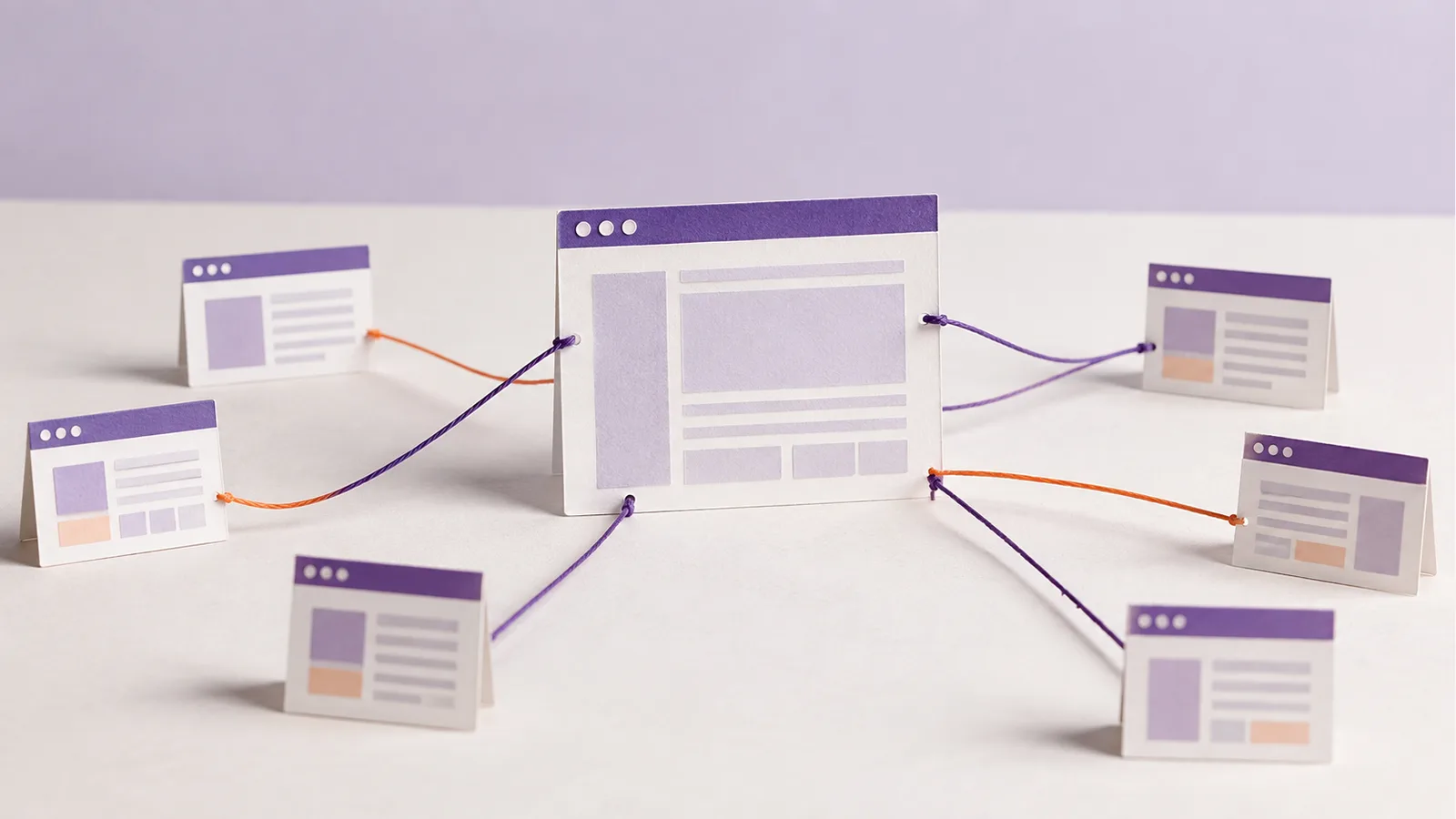
When a repair guide on another website links to the shop's compatibility guide, the repair guide has an outgoing link and the shop receives a backlink. Link building covers the work that can make that reference possible: creating a page worth citing, finding a suitable publisher, and sometimes explaining why the reference would help its readers. If you need the link vocabulary first, see what a backlink is.
Links are one part of off-page SEO. A mention without a clickable link may still put the brand in front of people, but it is not a backlink. Do not report mentions and links as the same outcome.
Why Do Links Matter?
A useful link can send interested readers to another page. It can also help Google discover a URL and understand the linked page from its anchor text and surrounding context. Google's link-analysis systems use relationships among pages as one input when deciding which pages may be helpful for a search. The fact that a link exists does not guarantee crawling, indexing, visits or a higher position.
In the appliance example, a repair article that sends a reader to a clear model-compatibility guide has an obvious purpose. An unrelated coupon page with a keyword-stuffed link does not become valuable merely because a tool counts it as another backlink.
What Makes a Link Worth Pursuing?
Judge the page and the reason for the link before looking at a score. Ask four questions:
- Is the source relevant? Does its subject and audience connect to the page being cited?
- Is the reference editorially useful? Would a reader understand why the publisher included it?
- Is the destination the right page? Does it load and answer the specific question behind the link?
- Is the relationship clear? Is it an independent citation, a partnership, an advertisement or user-generated content?
A third-party authority score can help sort research, but it is not a Google score or a substitute for opening the source page. The backlink quality guide covers a fuller review.
What Can You Offer Someone to Cite?
Start with a page that helps the other publisher's reader finish a task. For the parts shop, that might be a carefully maintained compatibility table that identifies models, part numbers and exceptions. A kitchen-appliance repair writer could reasonably reference it while explaining how to avoid ordering the wrong component.
Useful candidates can also include original research with a transparent method, a clear technical explanation, a calculator, or a resource that keeps changing facts up to date. Ordinary product pages may earn legitimate links too, but a page that says only “buy now” gives a publisher less reason to cite it. Do not invent data or publish a chart solely to collect links.
Where Do Relevant Opportunities Come From?
Begin with relationships or publications that already make sense for the subject: an existing mention without a link, a supplier resource page that genuinely helps customers, a repair guide covering the same model, or an editor who regularly references practical data. A partner page created only to exchange ranking links is a different proposition. Check the exact page, not just the domain name. If the reference would improve that page for its audience, you have a reason to make a specific request.
Outreach is a request, not a demand for a particular anchor text or a guaranteed placement. The publisher decides whether to link and how to describe the destination. Our link-building strategies guide develops the research and outreach workflow.
Where Does Link-Building Risk Begin?
Google defines link spam as creating links primarily to manipulate search rankings. Its examples include buying links for ranking credit, excessive exchanges, automated link creation and low-quality directories. A link package is not safer because it promises a large count or a high third-party score.
Advertising and sponsorship are different commercial relationships. The publishing website should qualify paid placements with rel="sponsored" or nofollow, rather than sell an unqualified link for ranking credit. User-submitted links can use rel="ugc". Those attributes describe the publisher's relationship to the link; they do not decide whether the mention is useful to people.
How Do You Start with One Page?
- Choose one useful destination page and write down the reader question it answers.
- List a few specific pages whose readers may need that answer. Open each one and check the context.
- Improve any missing facts, examples or navigation on your own page before requesting a reference.
- If a reference would genuinely help, make a brief, relevant suggestion. Accept that the publisher may decline or mention you without linking.
- Record the live source URL, target URL, placement, relationship and date; then watch for referral visits and enquiries where measurement is available.
Google Search Console's Links report can help find links Google has seen, but it is a sample rather than a complete inventory. Confirm important placements on the live source page. Do not credit a ranking change to one new link without stronger evidence.
Frequently Asked Questions
What Is the Difference Between Link Building and Backlinks?
Link building is the activity of acquiring or earning links; a backlink is one link from another website to yours. One campaign can result in several backlinks, mentions without links, or no placement.
Are Backlinks Still Relevant?
Yes. Google still uses links for discovery and as one signal in understanding and ranking pages. A link's presence alone does not guarantee a result; its context and the usefulness of the destination matter.
What Makes a Backlink High Quality?
A good sign is a relevant repair guide linking to a verified parts-compatibility table because its readers need that answer. Review the source, context and relationship together; no third-party score can decide quality by itself.
How Can I Build High-Quality Backlinks?
Create a page worth referencing, identify publishers whose readers need it, and explain the fit when appropriate. Keep the publisher's choice independent, qualify paid relationships and measure actual placements and referral outcomes.